Source Embroidered 3D Cotton Tracksuit for fitness, running, and training
Compare 30 options for Embroidered 3D Cotton Tracksuit designed for fitness, running, and training. Buyers can evaluate features like windbreak, waterproof, and breathable properties alongside customization and OEM services from Guangdong suppliers.
Key considerations
Products List

Tracksuit Suit Custom Patchwork Embroidered Zip Jacket and Pants Tracksuit
$19.50 - $25.50
MOQ: 10 piece


Men's Tracksuit Custom Design Tracksuits Slim Fit Man Jogger Track Suits
$16.84 - $20.19
MOQ: 5 pieces


Men Tracksuit Set Custom Men Tracksuits Custom Logo Men′ S Hoodies
$4.00 - $7.50
MOQ: 300 Pieces


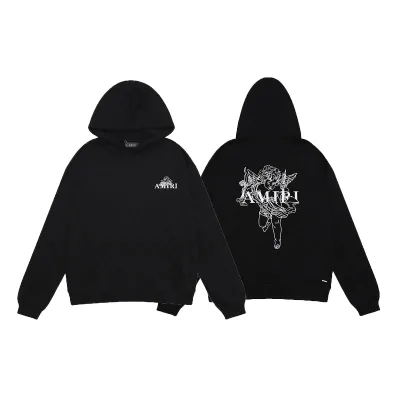


Comprehensive Sourcing Guide
Strategic Sourcing Guide for Embroidered 3D Cotton Tracksuits
Understanding Product Attributes and Material Composition
When sourcing an Embroidered 3D Cotton Tracksuit, the primary distinction lies in the material composition and the specific construction techniques employed. The core keyword implies a garment constructed primarily from cotton, which offers distinct breathability and comfort characteristics compared to synthetic alternatives like polyester. However, the supply landscape for this specific item often presents a hybrid reality where the base fabric is cotton, but functional attributes such as wind resistance or water repellency may be achieved through blended treatments or specific weaving techniques.
In the current market, buyers must verify the exact material ratio. While the term "cotton tracksuit" suggests a high cotton content, some listings indicate "Customized" fabric options, meaning the supplier may offer a blend to enhance durability or reduce shrinkage. The presence of "3D" in the product description typically refers to the dimensionality of the embroidery or appliqué work, rather than a three-dimensional cut of the fabric itself. This embroidery is often applied using automated cutting and heat-transfer printing methods, which allow for intricate designs that stand out from the flat surface of the garment.
Buyers should note that while some product data points to "Polyester" as a material for similar tracksuits, the specific request for "cotton" requires a deliberate selection process. The observed market data includes items with "Cotton" listed as the material, alongside others with "Polyester." This divergence highlights the necessity of confirming the fabric composition before placing an order. The "Customized Designs" attribute suggests that the embroidery patterns, including 3D effects, are not limited to standard logos but can be tailored to specific brand identities. The "Logo" and "Custom Label" options further indicate that the embroidery serves as a primary branding vehicle, often placed on the chest, sleeve, or back of the hoodie.
Technical Specifications and Customization Capabilities
The technical specifications for a 3D embroidered cotton tracksuit are defined by a high degree of customization. Unlike off-the-rack apparel, these items are often produced under OEM (Original Equipment Manufacturer) or ODM (Original Design Manufacturer) models. The "Supply Type" frequently cited is "OEM Service" or "OEM/ODM Customized," which means the manufacturer is equipped to handle specific design requirements from the buyer. This includes the ability to customize the "Size," which can range from standard sizing to bespoke measurements, and the "Color," which is often available in "Various Colors Available or Customized."
The production process involves several critical technical steps. The "Technics" listed include "Automated Cutting," which ensures precision in the fabric layers before assembly. The embroidery itself, often described as "3D," requires specialized thread tension and backing materials to achieve the raised effect. The "Printing Methods" noted in the supply data include "Heat-Transfer Printing," which may be used in conjunction with embroidery for multi-color designs or specific graphic elements. The "Pattern" is frequently listed as "Logo," indicating that the primary decorative element is the brand mark, but "Customized Designs" allows for broader artistic freedom.
Packaging is another technical specification that requires attention. The data indicates options such as "1set/Plastic Bag" or "50 Sets/Carton," with the possibility of "as Your Request" packaging. This flexibility is crucial for logistics and retail presentation. The "Single Gross Weight" of approximately 0.800kg per item provides a baseline for shipping cost calculations, though this may vary based on the thickness of the cotton and the density of the embroidery. The "Single Package Size" of 45x35x5cm offers a standard volume for freight estimation, but buyers should confirm if the 3D embroidery increases the package dimensions due to the raised texture.
Compliance, Certification, and Quality Verification
Navigating the compliance landscape for cotton tracksuits requires a careful verification of standards, as the supply data presents a mix of confirmed and potential certifications. The provided context explicitly mentions "SGS" as a product standard, which is a globally recognized inspection, verification, testing, and certification company. This suggests that the manufacturer has undergone or supports third-party quality checks. However, other common textile standards such as "OEKO-TEX" and "GOTS" (Global Organic Textile Standard) are listed in the background information with low confidence. Buyers should not assume these certifications are present unless explicitly confirmed in the supplier's documentation.
When evaluating compliance, the focus should be on the "prod_standard" field. If the supplier claims SGS certification, the buyer should request the specific test report to verify what parameters were tested, such as color fastness, shrinkage, or chemical content. For cotton products, the absence of GOTS certification does not necessarily mean the cotton is non-organic, but it does mean the supply chain has not been audited for organic farming practices under that specific standard. Similarly, while "ISO 9001" is a common management system standard, it is not explicitly confirmed in the high-confidence facts, so it should be treated as a potential attribute rather than a guaranteed one.
Quality verification also extends to the physical attributes of the garment. The "Feature" list includes "Breathable," "Windbreak," and "Waterproof." For a cotton tracksuit, "Breathable" is a natural attribute, but "Windbreak" and "Waterproof" often require additional treatments or layering. Buyers must verify if these features are inherent to the cotton weave or if they result from a chemical finish or a specific construction method. The "Season" is listed as "Winter," which aligns with the expectation of a heavier, warmer garment, but the "Quick-Drying" feature is more typical of synthetic blends. This apparent contradiction in the data suggests that the "Quick-Drying" attribute might apply to a polyester version of the same model, or that the cotton has been treated with a hydrophobic agent. Clarifying these functional claims is essential to avoid mismatched expectations.
Cost Drivers and Pricing Structures
The cost of sourcing an Embroidered 3D Cotton Tracksuit is influenced by several variables, including material costs, customization complexity, and order volume. The observed price range in the market is between 3 and 32.5 USD, a wide spectrum that reflects the difference between basic samples and fully customized bulk orders. The "Samples Fee" is noted as "EXW 50 USD," which is a standard practice for custom apparel to cover the cost of pattern making, embroidery setup, and material sampling. This fee is often deductible from the bulk order if the order quantity meets a certain threshold, but this should be confirmed with the supplier.
The "MOQ" (Minimum Order Quantity) is a significant cost driver. The data shows a range from "1 Sample Available" to "50 Sets" for bulk orders. For a custom 3D embroidered product, the setup costs for the embroidery machine and pattern design are fixed regardless of the order size. Therefore, smaller orders will have a higher unit cost due to the amortization of these setup costs over fewer units. The "MOQ" of 50 sets is a common threshold for OEM orders, balancing the supplier's need for efficiency with the buyer's need for flexibility.
Additional cost factors include the "Support Design" requirements. If the buyer provides design files in "Ai, CDR, Pdf Format," the supplier can proceed directly to production. However, if the supplier needs to create the design from scratch, this may incur additional design fees. The "Production Lead Time" of 2-3 weeks and "Sample Lead Time" of within 1-2 weeks also impact the overall cost structure, as expedited shipping or rush production often carries a premium. The "Location" of the supplier, "Guangdong, China (Mainland)," is a major manufacturing hub, which generally offers competitive pricing due to economies of scale, but logistics costs to the final destination must be factored into the total landed cost.
Typical Applications and Market Segmentation
The application of embroidered 3D cotton tracksuits spans various sectors, primarily driven by the "Sportswear Type" and "Usage" attributes. The data indicates usage in "Track and Field" and "Fitness," suggesting that these garments are suitable for athletic training and casual wear. The "Age Group" is listed as "Adults," and the "Gender" is "Unisex," making these tracksuits versatile for a wide demographic. The "Style" is described as "Pullover" or "Sets," with some listings specifying "Hoodie" or "Running Training Tracksuit."
The "3D" embroidery adds a premium aesthetic that appeals to brands looking to differentiate their products. This style is particularly popular in streetwear and athletic fashion, where the raised logo or graphic serves as a statement piece. The "Custom Label" and "Logo" options allow brands to create a cohesive identity across their product line. The "Winter" season classification suggests that these tracksuits are designed for cooler weather, making them ideal for outdoor activities or as layering pieces.
The "Suitable for" attribute includes "Fitness," which implies that the garment must balance comfort with performance. While cotton is breathable, it may not be as moisture-wicking as synthetic fabrics. Therefore, for high-intensity activities, buyers should verify if the cotton blend includes synthetic fibers to enhance performance. The "Key Words" such as "Tracksuit for Men" indicate a specific market segment, but the "Unisex" attribute suggests that the design is adaptable for all genders. This flexibility allows buyers to target a broader audience without needing to develop separate product lines for men and women.
Supplier Evaluation and Quality Control Protocols
Evaluating a supplier for 3D embroidered cotton tracksuits requires a rigorous assessment of their capabilities and quality control processes. The "Supply Type" of "OEM Service" or "OEM/ODM Customized" indicates that the supplier is capable of handling custom orders, but the buyer must verify their capacity to maintain consistency across large batches. The "Lead Time" data shows a "Sample Lead Time" of within 1-2 weeks and a "Production Lead Time" of 2-3 weeks, with some suppliers offering "7 Days Sample Order Lead Time." These timelines are critical for planning production schedules and ensuring timely delivery.
Quality control should focus on the integrity of the embroidery and the fabric quality. The "Automated Cutting" technique suggests a high level of precision, but the buyer should request samples to inspect the stitch density, thread quality, and the durability of the 3D effect. The "Single Gross Weight" and "Single Package Size" provide benchmarks for checking if the delivered goods match the specifications. The "prod_packing" of "Flat Pack" or "1set/Plastic Bag" should be verified to ensure that the packaging protects the garment during transit, especially given the raised nature of the embroidery which could be prone to crushing.
The "Standard" of "SGS" is a positive indicator, but buyers should request the specific test reports to understand the scope of the certification. If the supplier claims compliance with "OEKO-TEX" or "GOTS," these claims must be validated with current certificates. The "Support Design" capability, requiring files in "Ai, CDR, Pdf Format," demonstrates the supplier's technical proficiency in handling digital design files, which is essential for accurate embroidery reproduction. Buyers should also verify the supplier's ability to handle "Custom Color" requests and ensure that the color matching process is robust to avoid discrepancies between the sample and the bulk order.
Long-Term Procurement and Relationship Management
Establishing a long-term procurement relationship for 3D embroidered cotton tracksuits involves more than just securing a single order. It requires a strategic approach to managing the supply chain, ensuring consistent quality, and fostering innovation. The "Customization" attribute is a key driver for long-term partnerships, as it allows the buyer to evolve their product line in response to market trends. The "Design: Customized Designs" and "Support Design" capabilities indicate that the supplier is willing to collaborate on new concepts, which is essential for maintaining a competitive edge.
The "Production Lead Time" of 2-3 weeks and "Delivery Time" of 15-25 days for bulk orders provide a baseline for inventory planning. However, buyers should negotiate flexible terms for rush orders or seasonal peaks, as the "7 Days Sample Order Lead Time" suggests that the supplier has the capacity to accelerate production when needed. The "MOQ" of 50 sets is a reasonable starting point, but as the order volume grows, the buyer should negotiate lower MOQs or better pricing tiers to optimize costs.
Sustainability and ethical sourcing are increasingly important in the apparel industry. While the "GOTS" certification is not confirmed in the high-confidence facts, buyers should inquire about the supplier's practices regarding cotton sourcing, labor conditions, and environmental impact. The "Location" in "Guangdong, China (Mainland)" is a major manufacturing hub, but buyers should ensure that the supplier adheres to international labor standards and environmental regulations. Building a relationship based on transparency and mutual growth will help mitigate risks and ensure a steady supply of high-quality tracksuits.
In conclusion, sourcing an Embroidered 3D Cotton Tracksuit requires a detailed understanding of the product's technical specifications, material composition, and customization options. By carefully evaluating the supplier's capabilities, verifying compliance standards, and managing the cost drivers, buyers can secure a reliable supply chain that meets their specific needs. The flexibility of the OEM/ODM model allows for continuous innovation and adaptation to market demands, making it a viable strategy for long-term success in the apparel industry.
FAQs
Can I customize the logo and design on the tracksuit?
Yes, customization is available for logos and designs. The supplier accepts custom labels and supports design files in Ai, CDR, and Pdf formats for tailored embroidery patterns.
What is the minimum order quantity for bulk production?
The minimum order quantity varies by supplier but can be as low as one sample or fifty sets for bulk orders. Specific MOQs depend on the customization level and material selection.
How long does it take to receive samples and bulk orders?
Samples are typically ready within one to two weeks, while bulk production takes two to three weeks. Some suppliers offer seven-day sample lead times for urgent requests.
What materials are used for the embroidered tracksuit?
Materials include cotton and polyester, with options for customized fabric blends. The specific material composition should be verified as some listings offer cotton while others use polyester.
Are the tracksuits suitable for winter sports and fitness?
Yes, the tracksuits are designed for winter use and are suitable for fitness and track and field activities. They feature breathable and windbreak properties to handle cooler weather conditions.
What certifications do the products meet?
The products meet SGS standards for quality verification. While other certifications like OEKO-TEX or GOTS are mentioned in background data, they are not confirmed as standard for all listings.
How are the tracksuits packaged for shipping?
Packaging options include one set per plastic bag or fifty sets per carton. Custom packaging requests are accepted to meet specific logistics or retail presentation needs.